Choosing Exterior Materials for Different Climates

Exterior materials have to do more than complement a building's design. Depending on where a project is located, the exterior may face intense sun and heat, frequent rain and humidity, freezing temperatures, or significant seasonal changes. Those conditions should be part of the material-selection process from the beginning.

For contractors, choosing the right exterior finish means looking at more than appearance alone. Climate, building exposure, substrate, installation requirements, and the characteristics of the material itself can all affect how well an exterior system is suited to a particular project. Understanding those factors can help you make a more informed recommendation before installation begins.


Start With the Climate, Not Just the Look 

Climate considerations go beyond simply identifying a project as being in a hot, cold, wet, or dry region. Start with the conditions the building will actually face throughout the year, including temperature ranges, precipitation, humidity, direct sun exposure, and seasonal changes. 

Exposure can also vary significantly from one building to another, even within the same region. Building orientation, surrounding structures, landscaping, and other site conditions can affect how much sun, wind, or moisture reaches a particular wall. A protected entrance may experience very different conditions than a south- or west-facing exterior wall. 

Understanding those conditions first gives you a better basis for evaluating which exterior materials and installation systems make sense for the project.


Consider Heat and UV Exposure 

In hot and sunny climates, exterior materials can spend hours each day exposed to direct sunlight. UV exposure can affect the appearance of exterior finishes over time, while high surface temperatures and temperature changes can also influence how materials expand and contract.

When evaluating an exterior finish for these conditions, look beyond its initial appearance. Consider whether the product is intended for exterior use, how its finish is designed to handle UV exposure, and whether the manufacturer provides specific installation requirements for temperature changes or material movement. 

URESTONE panels are designed for exterior applications and use exterior finishes formulated for UV resistance. UV resistance does not mean a finish is unaffected by sunlight, so factors such as climate, building orientation, and the amount of direct sun exposure should still be considered when selecting an exterior finish.


Plan for Moisture and Freeze-Thaw Conditions 

Rain, humidity, snow, and other sources of moisture create a different set of concerns. In colder regions, moisture becomes especially important because water that enters porous materials or vulnerable areas of an exterior assembly can freeze, expand, thaw, and repeat the cycle as temperatures change. 

Material selection is only one part of managing these conditions. Contractors should also consider the complete exterior assembly, including the substrate, weather-resistive barrier where required, flashing, transitions, penetrations, sealants, and other details that help manage water. 

URESTONE panels are designed for exterior use and provide a moisture-resistant exterior finish, but the panels should still be installed as part of a properly detailed exterior wall system. Choosing a weather-resistant finish doesn't eliminate the need for appropriate flashing and water-management practices.


Consider the Material and the Installation System 

Climate performance isn't determined by the visible exterior surface alone. Material weight, substrate conditions, fastening methods, adhesives, sealants, expansion requirements, and other installation details can all influence how an exterior system performs. 

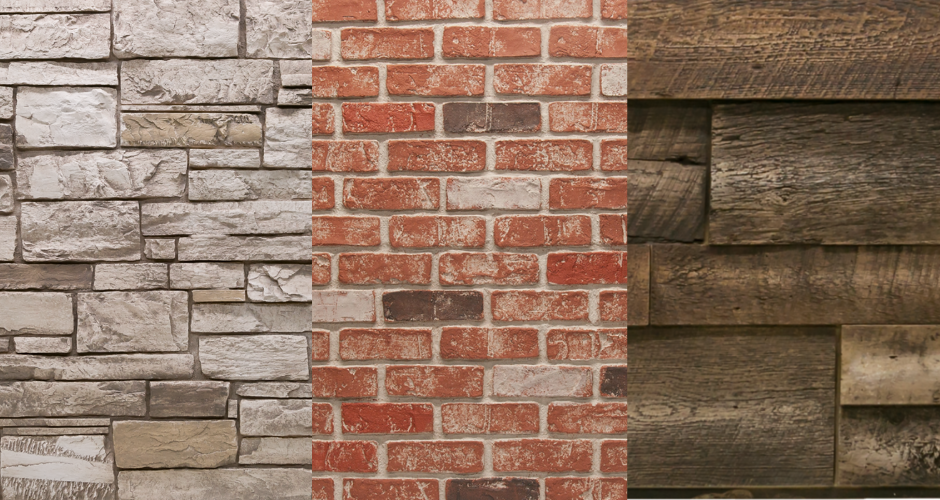
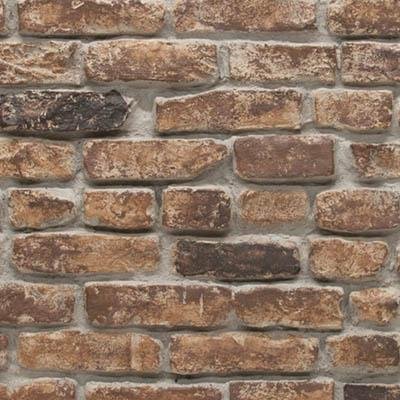
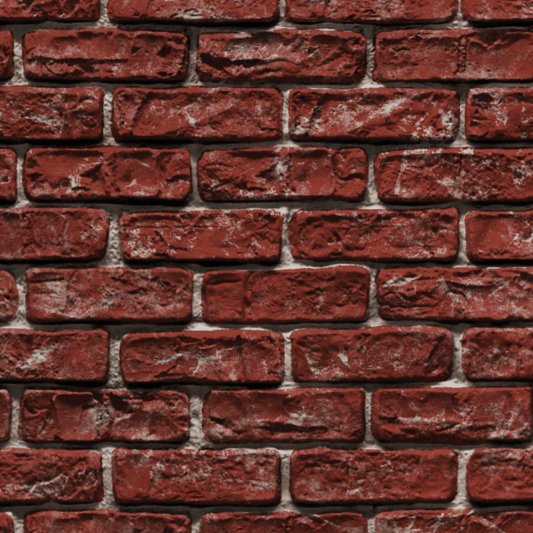
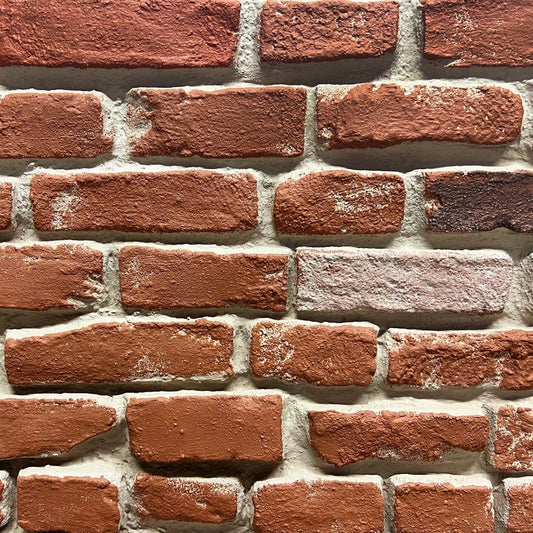
This is particularly important when comparing traditional masonry with lightweight panel systems. Stone and brick can provide a distinctive exterior appearance, but their weight and installation requirements may add complexity to a project. Lightweight faux stone and brick panels can provide a similar visual effect while reducing material weight and simplifying many aspects of installation compared with traditional masonry. 

It's also important to distinguish between a material's long-term ability to perform in a particular climate and the conditions required during installation. Adhesives, sealants, coatings, and other components may have specific application temperatures or surface requirements. Always follow the manufacturer's installation instructions rather than assuming an exterior-rated product can be installed under any weather condition.


Match the Material to the Project Location 

There isn't a single exterior material that's automatically the best choice for every building or every climate. A better approach is to evaluate the project as a whole: where it's located, which conditions the exterior will encounter, how the wall is constructed, what installation methods are practical, and what appearance the finished building needs to achieve. 

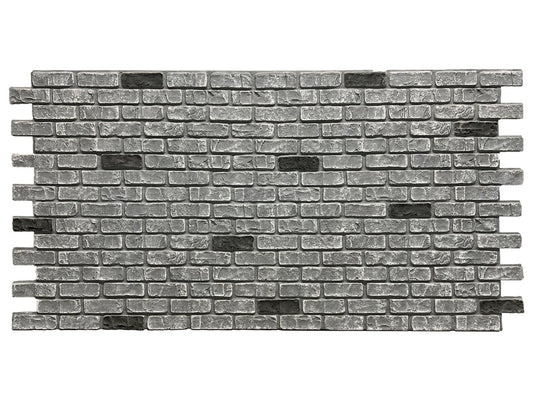
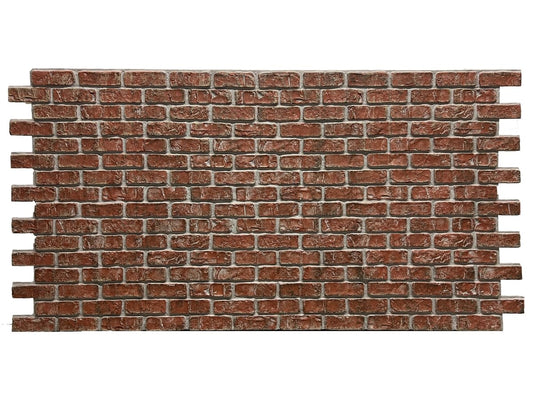
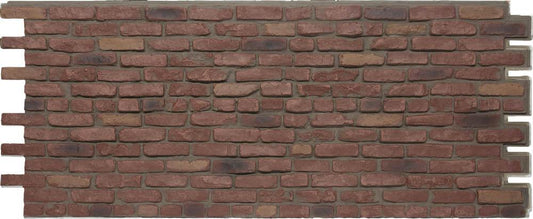
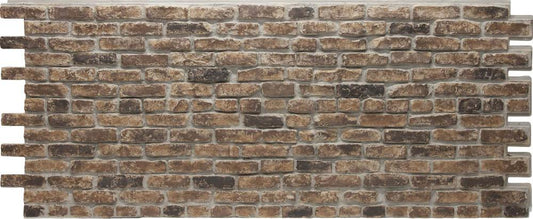
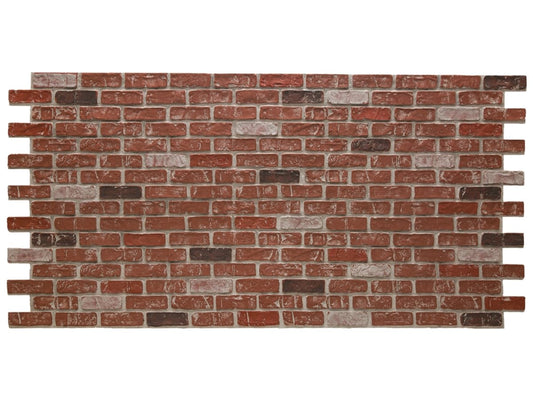
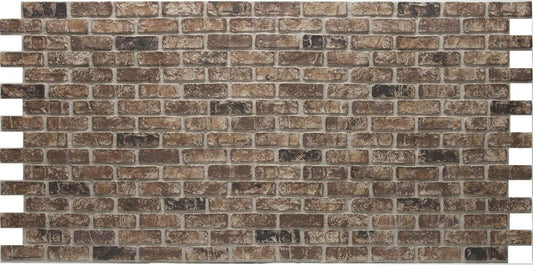
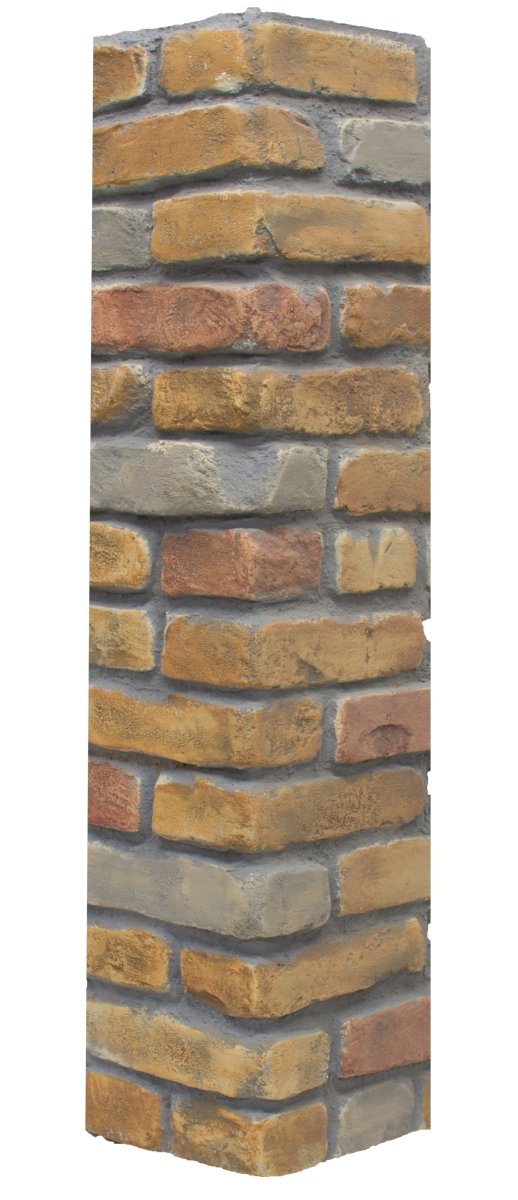
For projects where the appearance of stone or brick is desired, URESTONE provides a lightweight exterior panel option that can be considered alongside traditional masonry and other exterior finishes. Its suitability for exterior applications, lightweight construction, and range of stone and brick designs can make it a practical option when those characteristics align with the needs of the project. 

The right choice ultimately depends on the demands of the individual project. Looking at climate, building exposure, installation requirements, material characteristics, and design goals together gives contractors a stronger basis for comparing exterior options and recommending the system that best fits the job.


Final Thoughts

Choosing exterior materials for different climates doesn't require finding a product that's unaffected by every possible weather condition. It requires understanding which conditions matter most for a particular project and selecting materials and installation methods accordingly. 

By considering heat and UV exposure, moisture, freeze-thaw conditions, the complete wall assembly, and installation requirements early in the process, contractors can make exterior material decisions with greater confidence. The result is an exterior system selected not only for how it looks on installation day, but for how well it fits the building and the environment around it.

Final Thoughts Image

Request a Quote

Thinking about your next project? Request a free, no-obligation quote today and get customized assistance from one of our in-house experts ASAP!
Request a Quote