Why Some Commercial Buildings Make a Stronger First Impression

Some commercial properties immediately create a positive impression. They appear established, well-maintained, and professionally managed before a customer ever walks through the front door. Others may offer excellent products or services but struggle to project the same level of confidence from the street.

While business success ultimately depends on far more than a building's appearance, first impressions still matter. Customers, tenants, and visitors often form opinions within seconds of arriving at a property. The exterior becomes part of the overall customer experience, influencing perceptions of quality, professionalism, and attention to detail.

So what makes some commercial buildings look more successful than others? In many cases, the answer comes down to a handful of design and maintenance decisions that work together to create a stronger overall impression.


People Judge Businesses Faster Than They Realize

Every commercial property communicates something to the people who visit it. Before customers interact with employees, view products, or experience services, they have already started forming opinions based on what they see.

A well-maintained exterior suggests professionalism and attention to detail. An updated façade can signal investment and stability. Even subtle architectural features can influence how people perceive a business.

This is particularly important for customer-facing properties such as convenience stores, retail centers, restaurants, offices, and self-storage facilities. In competitive markets, the appearance of a building often becomes part of the decision-making process, whether customers consciously recognize it or not.


Buildings Communicate Before Employees Do

Exterior materials play a significant role in shaping perception. Different architectural finishes create different impressions, helping establish the identity of a property long before a conversation takes place.

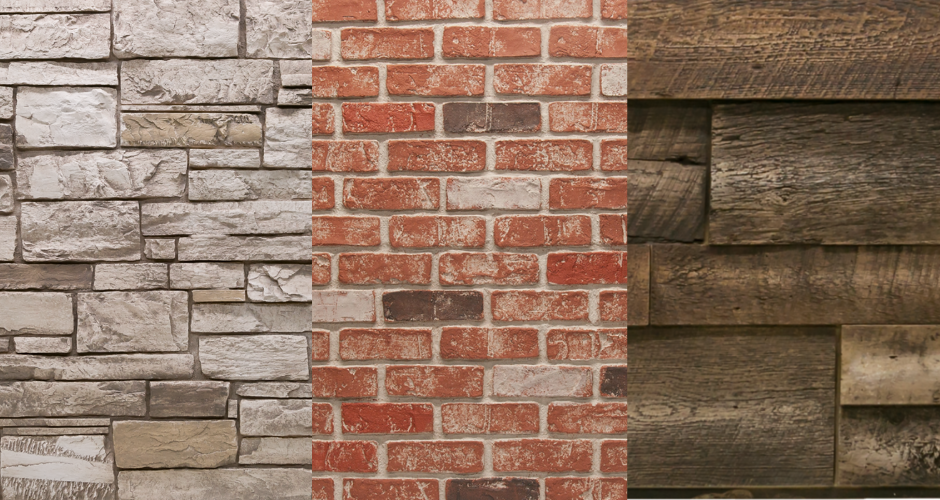
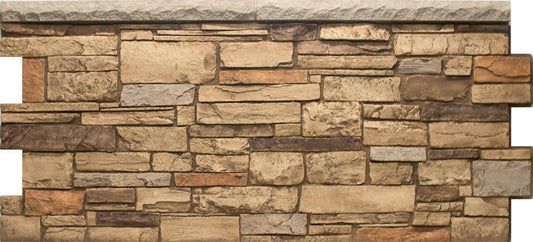
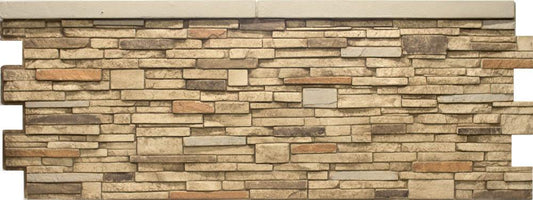
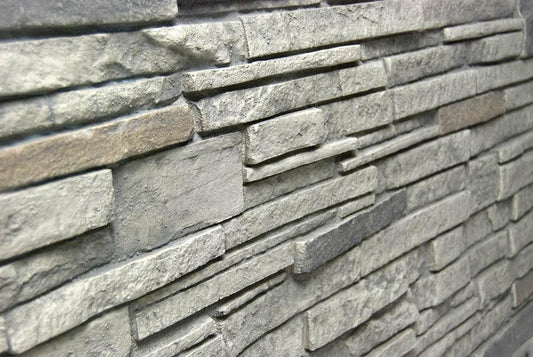
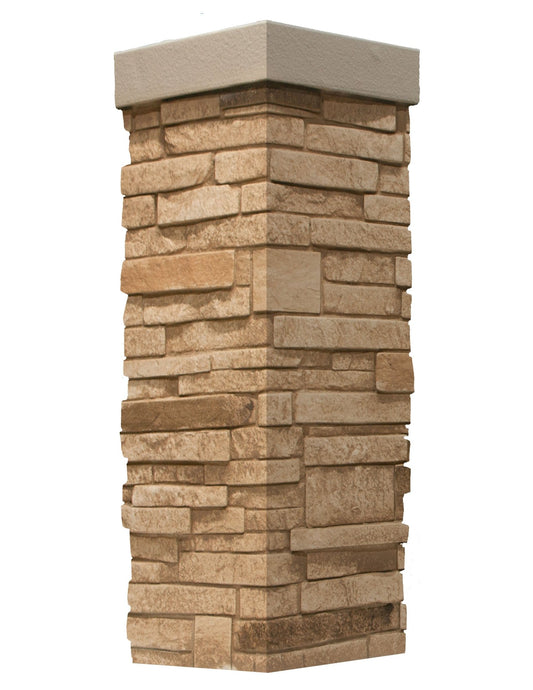
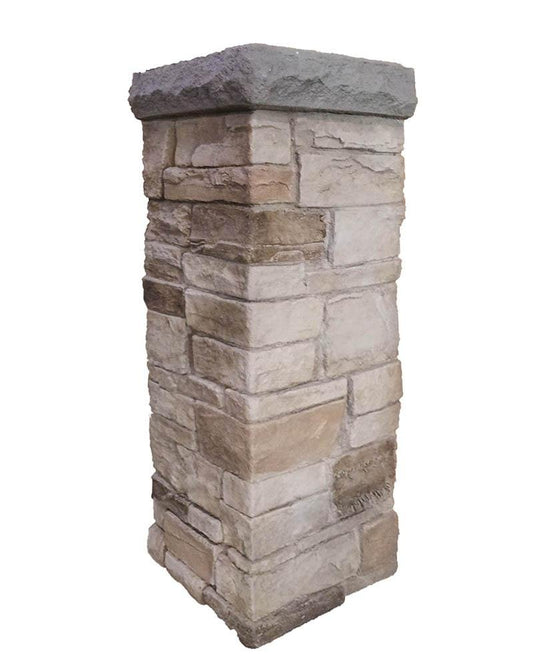
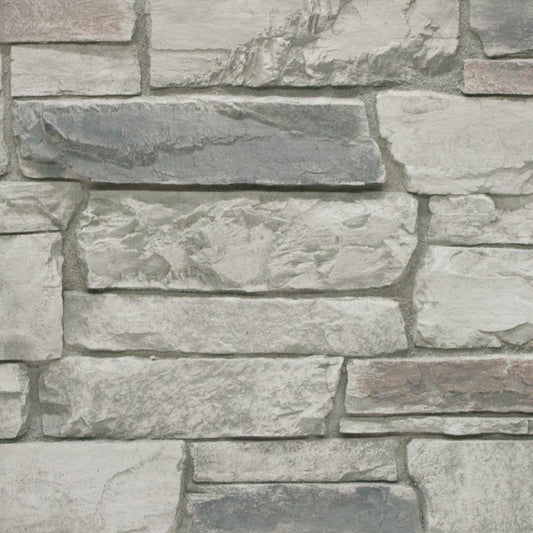
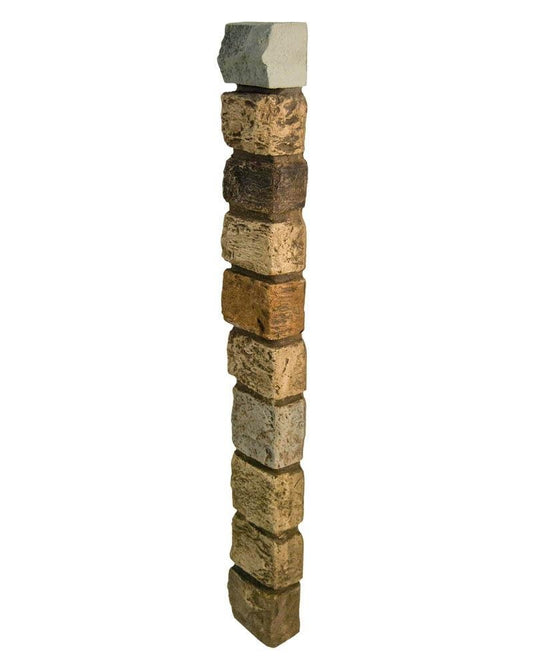
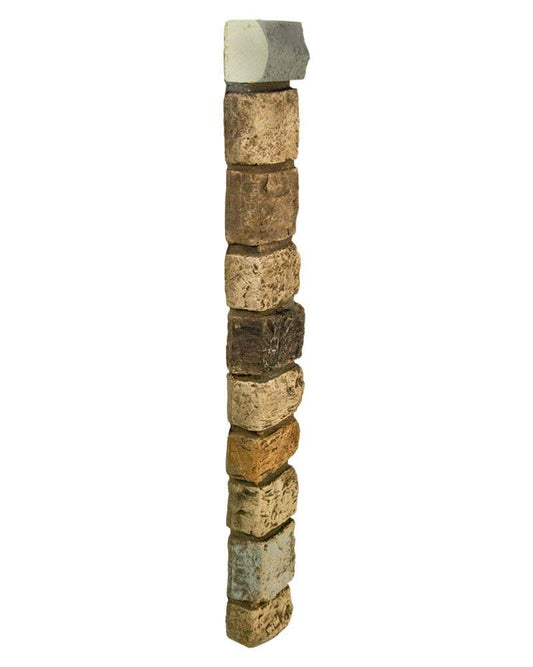
Stone is often associated with durability, permanence, and professionalism. Brick continues to convey a sense of tradition, reliability, and craftsmanship. Wood accents can introduce warmth and approachability while helping soften larger structures.

These materials are frequently used around entrances, storefronts, office spaces, and customer-facing areas because they help communicate a level of investment and care that flat, utilitarian surfaces often cannot achieve on their own.

The goal is not simply decoration. The goal is creating an environment that reinforces confidence in the business itself.


The Most Successful Renovations Focus on Key Areas

One common misconception is that improving a commercial property's appearance requires a complete exterior renovation. In reality, many of the most successful projects focus on a relatively small portion of the building.

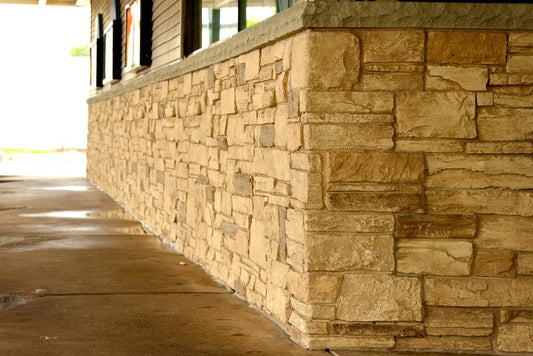
Entryways, storefronts, office areas, wainscoting, architectural accents, and customer-facing walls often provide the greatest return on investment. These are the areas visitors notice most frequently and remember most clearly.

By concentrating improvements in highly visible locations, property owners can significantly modernize a building's appearance without the cost and disruption of a full redevelopment project.

This targeted approach is particularly valuable for operating businesses that need to remain open during renovations.


Familiarity Builds Trust

Consistency is another characteristic shared by many successful commercial properties.

Whether it's a convenience store chain, a self-storage facility, a retail center, or a regional business with multiple locations, consistent design elements help reinforce brand identity and build customer confidence.

When exterior materials, colors, and architectural details are repeated throughout a property or across multiple locations, visitors gain a stronger sense of familiarity. That familiarity often translates into trust.

For businesses looking to modernize their appearance, maintaining consistency can be just as important as the renovation itself. A cohesive design helps create a professional image that customers recognize and remember.


Customers Notice Effort

Most visitors will never identify the specific materials used on a building. They may not know whether an exterior feature is stone, brick, wood, or another architectural finish.

What they do notice is effort.

Customers recognize when a property appears cared for. They notice updated entrances, refreshed façades, attractive accent features, and buildings that look maintained rather than neglected. Those details contribute to an overall perception of quality and professionalism.

For many businesses, the appearance of the building becomes an extension of the brand. A well-presented property communicates that the same attention to detail is likely carried through the products, services, and customer experience offered inside.


Final Thoughts

The commercial buildings that create the strongest impressions are not always the newest, largest, or most expensive. More often, they are the properties that communicate professionalism, consistency, and attention to detail through thoughtful design choices.

Strategic use of architectural materials, targeted renovations, and well-maintained customer-facing areas can significantly influence how a property is perceived. Whether updating a convenience store, self-storage facility, retail center, office building, or other commercial property, the most effective improvements are often the ones that strengthen confidence before a customer ever steps inside.

Final Thoughts Image

Request a Quote

Thinking about your next project? Request a free, no-obligation quote today and get customized assistance from one of our in-house experts ASAP!
Request a Quote