Design Strategies for Faster, More Cost-Effective Metal Building Upgrades in 2026

Metal buildings continue to be one of the most practical choices for retail, commercial, and light industrial construction. They go up quickly, perform well structurally, and offer long-term durability. But as many of these buildings age, a common issue emerges: while the structure remains sound, the exterior no longer reflects the business, brand, or customer experience it’s meant to support.

In 2026, upgrading metal buildings is less about aesthetics alone and more about making disciplined decisions. Rising labor costs, faster refresh cycles, and tighter capital scrutiny are pushing owners and operators to look for ways to modernize without rebuilding. Rather than replacing buildings that still perform, more organizations are choosing targeted exterior upgrades that improve appearance, control cost, and minimize downtime.

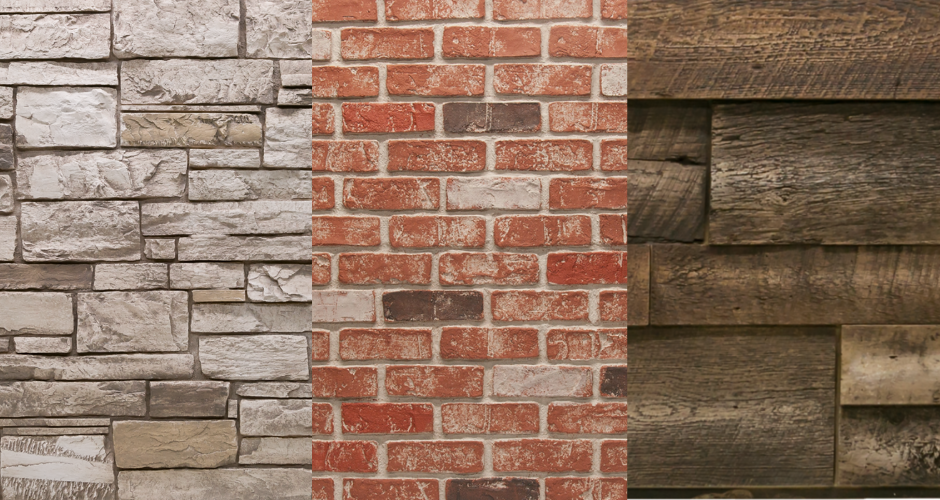
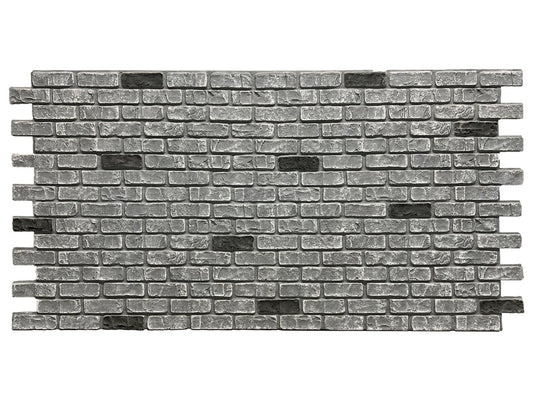
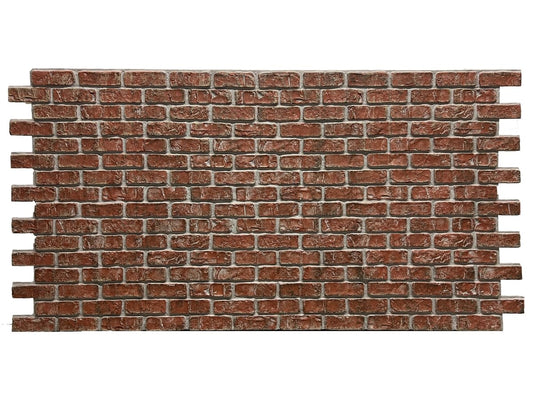
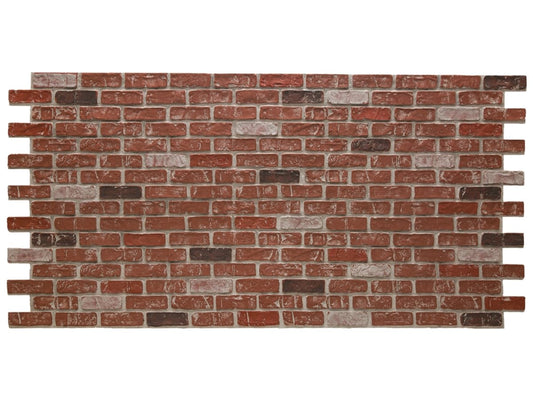
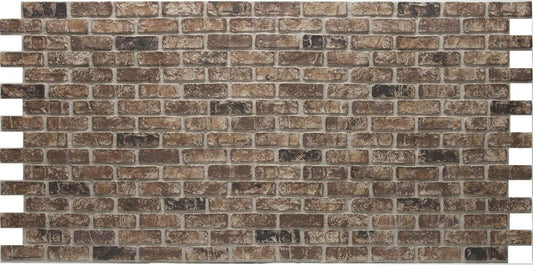
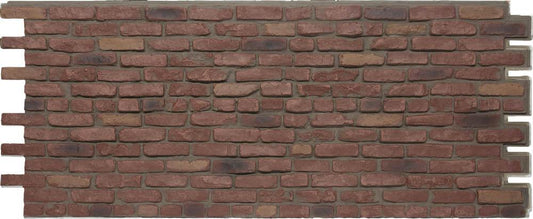
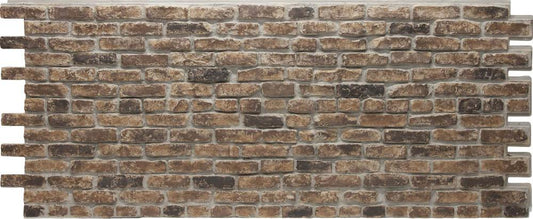
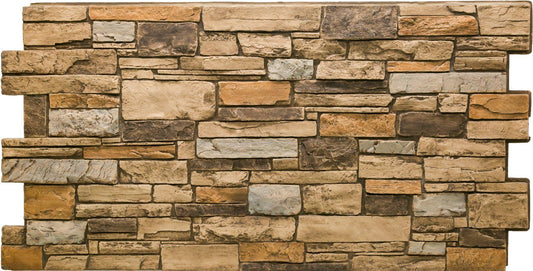
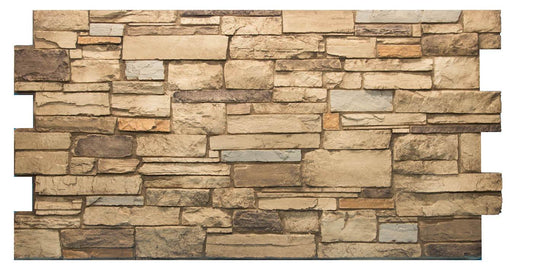
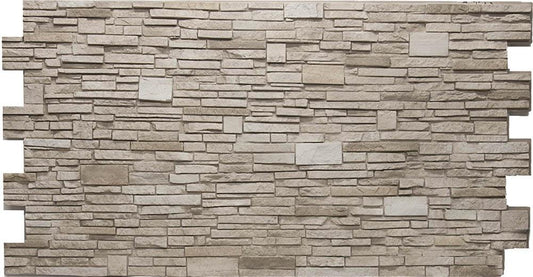
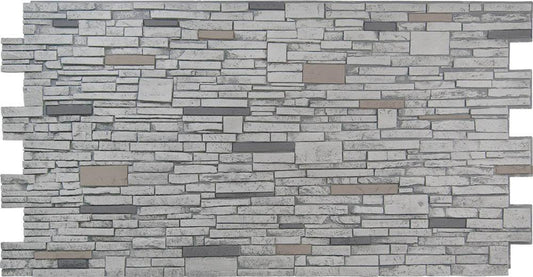
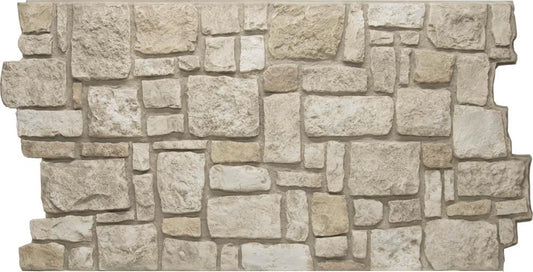
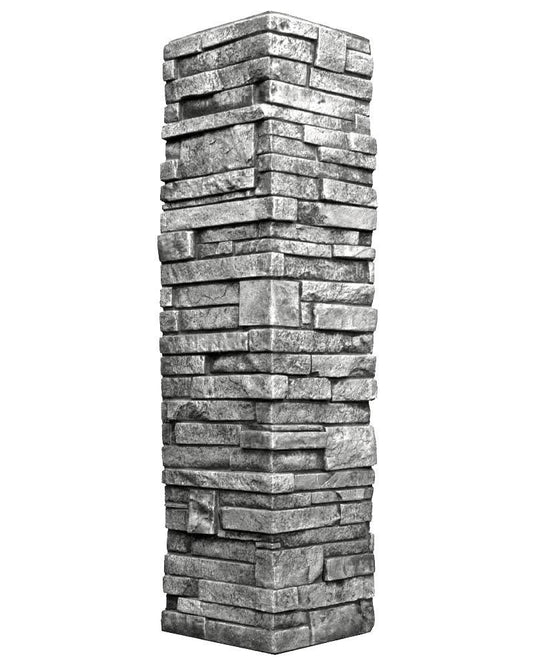
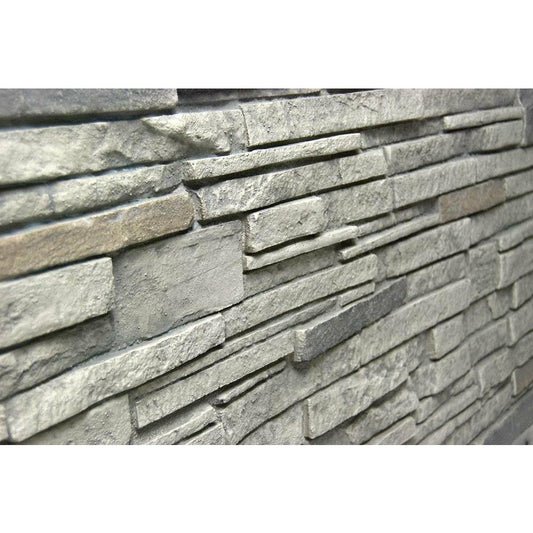
URESTONE panel systems are well suited for metal buildings, offering stone, brick, and architectural finishes that install quickly, require no structural modification, and scale efficiently across commercial projects. Below are the strategies shaping how metal buildings are being upgraded in 2026—prioritizing speed, cost control, and long-term value.


Retrofit-Friendly Systems That Avoid Structural Modifications

One of the most important considerations when upgrading a metal building is whether the exterior system requires structural changes. Traditional masonry and stone installations often introduce added complexity, including new footings, structural supports, and extended permitting timelines—factors that can quickly inflate budgets and slow projects.

Lightweight exterior panel systems designed for metal buildings eliminate many of these challenges by attaching directly to existing substrates. This allows upgrades to move forward without altering the building’s structure, reducing engineering requirements and keeping project scope manageable.

For remodels, rebrands, tenant improvements, or phased upgrades, avoiding structural modification simplifies planning, shortens approval cycles, and helps ensure projects stay on schedule and on budget.


Large-Format Panels That Reduce Labor and Downtime

Labor availability and cost continue to influence nearly every construction decision in 2026. To reduce exposure to both, many projects are shifting toward large-format exterior panels that streamline installation and shorten timelines.

Panels sized up to 4×8 feet—such as those used in the URESTONE panel system—allow crews to cover large wall areas efficiently, reducing the number of individual components that must be installed, aligned, and finished. Fewer seams also contribute to a cleaner, more consistent appearance across wide facades.

For occupied buildings, faster installation directly translates into less disruption. Shorter closure windows and off-hours installation make large-format systems especially attractive for retail and commercial environments that need to stay operational.


High-Impact Facade Upgrades Without Full Re-Cladding

Full exterior replacement isn’t always necessary to achieve a meaningful visual upgrade. In many cases, targeted improvements can deliver the desired impact at a fraction of the cost and complexity.

Wainscot-style applications are a common example. By upgrading the lower portion of a metal building with stone or brick panels, owners can add texture, scale, and architectural definition without reworking the entire facade. This approach is particularly effective for storefronts, convenience retail, restaurants, and multi-tenant properties where curb appeal directly influences foot traffic.

Pre-engineered wainscot systems also make it easier to achieve consistent results across multiple locations, supporting brand alignment while keeping installation fast and predictable.


Exterior Systems Designed for Repeatability and Scale

As building portfolios grow, repeatability becomes just as important as appearance. Owners and developers increasingly favor exterior systems that can be standardized across projects while still adapting to different building sizes and layouts.

Panelized systems support this need by offering consistent dimensions, finishes, and installation methods that contractors can easily replicate. This reduces variability between locations, simplifies coordination, and improves cost control across multi-site upgrades.

For organizations managing several properties, repeatable exterior solutions help maintain a cohesive brand presence without reinventing the process for every project.


Final Thoughts

Upgrading a metal building in 2026 isn’t about following design fads—it’s about choosing strategies that balance appearance, speed, and long-term value. As labor costs rise and rebuilds become harder to justify, targeted exterior upgrades offer a smarter, more controlled path forward.
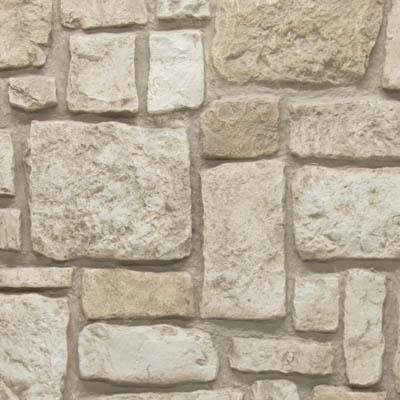
By focusing on retrofit-friendly systems, large-format panels, and scalable facade solutions, metal buildings can be modernized efficiently while extending the life of structures that are still performing as intended. URESTONE panels support these strategies by providing metal-compatible exterior systems designed for durability, consistency, and cost control across both single-site and multi-location projects.

Final Thoughts Image

Request a Quote

Thinking about your next project? Request a free, no-obligation quote today and get customized assistance from one of our in-house experts ASAP!
Request a Quote